
What Makes a Smile Attractive? Dental Science Explained
what makes a smile attractive: An attractive smile does not come from one ratio. Health, proportion, smile arc, gum display, colour, expression and personal preference interact.
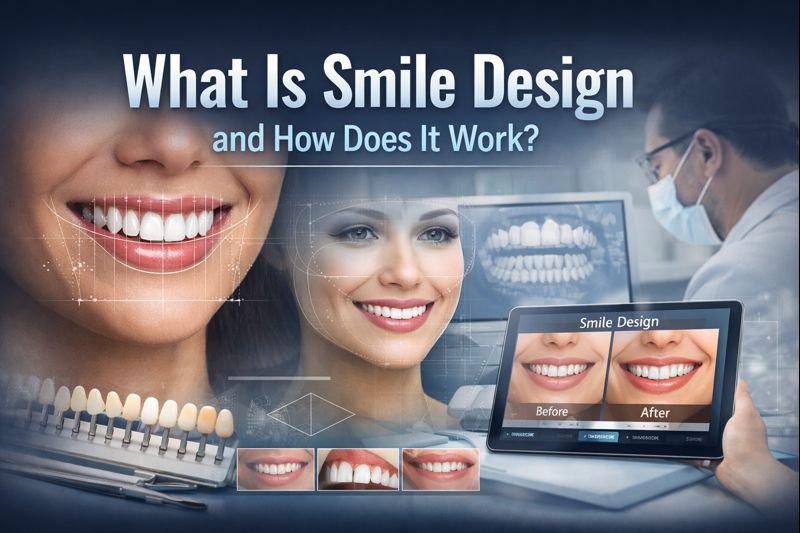
what makes a smile attractive: Key Points at a Glance
| Planning question | What to understand |
|---|---|
| Health | Stable gums and cleanable teeth form the foundation. |
| Proportion | Widths and lengths are judged within the lips and face. |
| Smile arc | Upper edges may follow the lower lip during a smile. |
| Natural detail | Texture and translucency help avoid a flat result. |
what makes a smile attractive: What the Decision Really Depends On
First, people judge teeth within a moving face, so culture, age and expression influence perception.
In addition, the golden proportion can guide discussion but should not dictate every tooth width.
what makes a smile attractive: Treatment Planning
For example, dentists assess the midline, tooth display, gum symmetry and incisal-edge curve.
However, a close-up photograph cannot demonstrate speech, lip movement or cleaning access.
what makes a smile attractive: Benefits, Limits and Possible Trade-Offs
Therefore, very uniform colour and opacity can remove natural depth from a restoration.
Moreover, subtle differences between central incisors, lateral incisors and canines may look lifelike.
what makes a smile attractive: How to Compare Written Plans
Next, show examples and explain which specific features you like or dislike.
Most importantly, review a mock-up at conversational distance and during normal speech.
How to Use This Guide at Your Consultation
In practice, use this guide to prepare questions rather than to diagnose yourself. Bring details of your medical history, medicines, previous dental work and the exact result you hope to achieve. The dentist can then compare those goals with your oral health, bite and suitable clinical records.
Consequently, ask for a written plan that identifies every treated tooth and separates essential care from optional cosmetic changes. Take time to review the alternatives, expected timeline, total cost and local aftercare. A clear plan should also explain what happens if findings change after examination or treatment takes longer than expected.
Questions to Ask Before You Decide
- What is the diagnosis for each tooth, and what alternatives were considered?
- What will be removed, added or moved during treatment?
- Which materials, clinicians, appointments and reviews are included?
- What maintenance, possible complications and aftercare should I plan for?
what makes a smile attractive: Frequently Asked Questions
Is symmetry most important?
In short, symmetry contributes, but perfect mirroring is uncommon and not essential.
What is the golden ratio?
For example, it is one visual concept, not a compulsory rule for every patient.
Are the whitest teeth most attractive?
However, no. Shade, translucency, surface detail and facial harmony all matter.
For a wider overview, read our complete smile design guide. You can also review Turkey teeth prices, risks and package inclusions before comparing overseas care.
Compare Written Treatment Options
Finally, share your goals, smile photo and preferred dates once. DentMatch24 helps you compare suitable clinic responses, inclusions, travel support and aftercare before you choose.
Get a Quote TodaySources and Review Notes
- PubMed: systematic review of digital smile design
- NHS: dental treatments, veneers and implants
- General Dental Council: valid consent and treatment options
Last reviewed: August 2026. For clarity, this article is general information, not a diagnosis or personal medical advice. Outcomes and timelines vary. Your treating dental professional must confirm suitability and the final plan.